Reservation
+91-9833888891Planning a Spiritual Trip to Ayodhya: Temples to Visit & Where to Stay
Ayodhya is not a destination you simply “visit.” It is a city you slow down for, a place where faith, history, and devotion blend into everyday life. For millions of devotees, a journey to Ayodhya—especially to the Ram Janmabhoomi Mandir—is deeply personal and often long-awaited.
If you’re planning a spiritual trip to Ayodhya, thoughtful preparation can make the experience peaceful, fulfilling, and memorable. This guide covers must-visit temples, how to plan your days, and most importantly—where to stay for a calm and comfortable pilgrimage.
Understanding Ayodhya’s Spiritual Rhythm
Ayodhya functions on a sacred rhythm rather than a tourist timetable. Mornings begin early with temple bells and chants. Afternoons are quieter, ideal for rest and reflection. Evenings come alive again with aartis, bhajans, and soft-lit ghats along the Saryu.
Planning your trip around this rhythm—not rushing from one place to another—allows Ayodhya to reveal its true essence.
Must-Visit Temples in Ayodhya
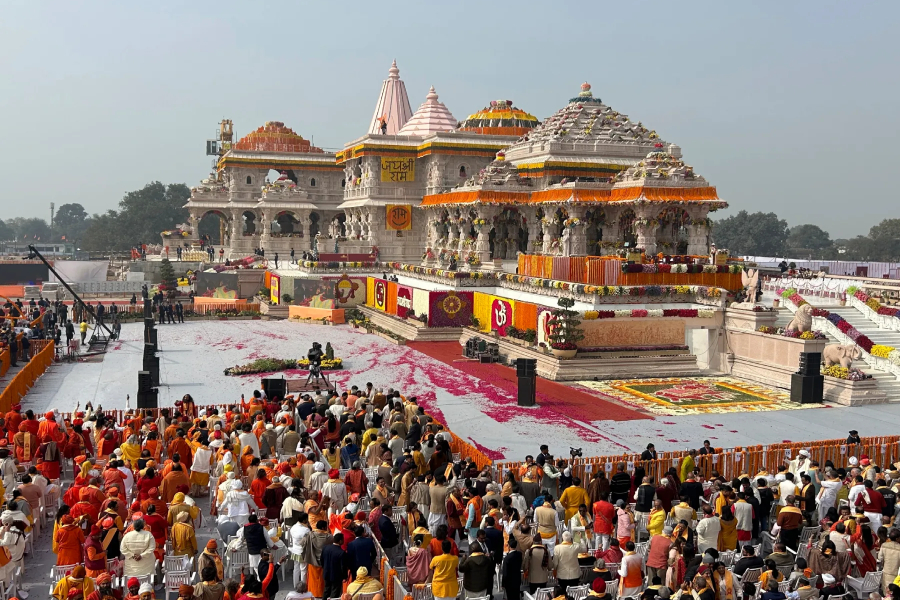
Ram Janmabhoomi Mandir: The spiritual heart of the city and the birthplace of Lord Ram. Darshan here is the central purpose of most pilgrimages. Early morning and late evening hours are usually calmer and more conducive to prayer.
Hanuman Garhi: Perched on a small hill, this temple dedicated to Lord Hanuman is traditionally visited before Ram Mandir. Devotees believe Hanuman’s blessings remove obstacles and strengthen resolve.
Kanak Bhawan: A serene and beautifully adorned temple associated with Ram and Sita. The atmosphere here is gentle and intimate, ideal for quiet moments of devotion.
Dashrath Mahal: Believed to be the royal residence of King Dashrath. This place connects visitors emotionally to Lord Ram’s childhood and family life.
Nageshwar Nath Temple: An ancient Shiva temple linked to Kush, son of Lord Ram—symbolising the harmonious coexistence of Shaivite and Vaishnav traditions in Ayodhya.
Sacred Ghats You Should Not Miss
Saryu Ghat: Evening aarti at Saryu Ghat is one of Ayodhya’s most calming experiences. The river, lamps, and chants create a deeply meditative environment.
Ram Ki Paidi: A series of well-maintained ghats ideal for evening walks, reflection, and chanting.
How Many Days Are Enough for Ayodhya?
- 1 Day: Ram Mandir + Hanuman Garhi
- 2 Days: Add Kanak Bhawan, Dashrath Mahal, Saryu Ghat
- 3 Days: Include local attractions and nearby ghats
Rushing through Ayodhya often leads to fatigue rather than fulfilment.
Where to Stay in Ayodhya (This Matters More Than You Think)
A spiritual journey can quickly become exhausting if your stay is far, noisy, or poorly managed. Long travel times, crowded areas, and lack of rest can take away from the purpose of your visit.
This is where The RAVISHYa Retreat stands apart.
Located close to Ram Mandir, The RAVISHYa Retreat is designed specifically for pilgrims and families. It offers:
- Peaceful, devotional surroundings
- Clean, comfortable rooms ideal for elders
- Easy access to major temples and ghats
- A calm atmosphere that supports rest and prayer
Unlike commercial hotels, the retreat respects Ayodhya’s sacred character—making it an extension of your spiritual journey, not a break from it.
Final Thought
Ayodhya gives you what you bring to it—time, patience, and sincerity. Plan your temple visits thoughtfully, keep space for rest, and choose a stay that honours your devotion.
Come for darshan.
Stay for peace.
Let Ayodhya stay with you long after you leave.
